 0086 13695395196

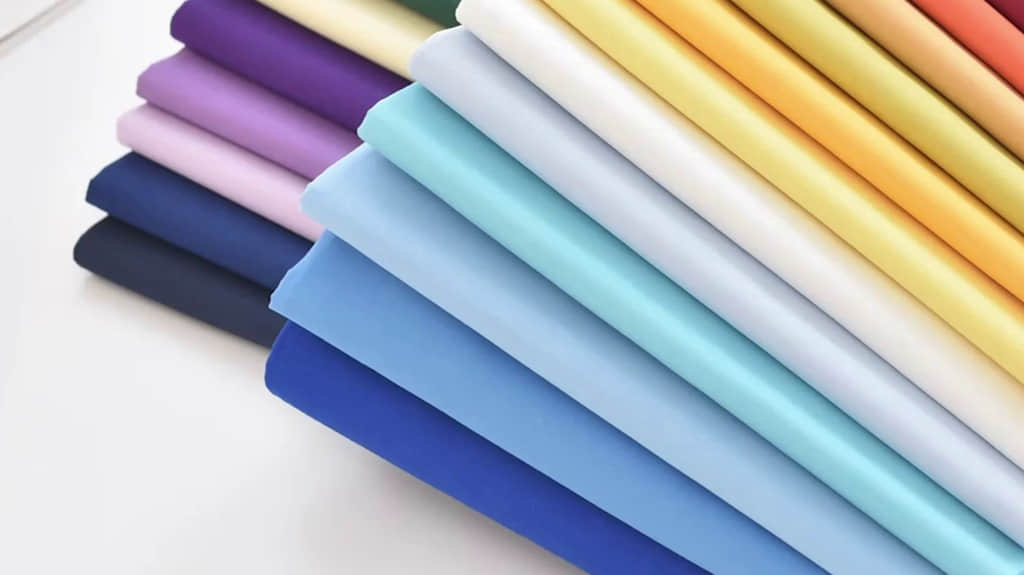
CMC For Textile Printing
- Excellent thickening performance
- Sharp printing definition
- Enhanced fabric hand feel High color yield
Carboxymethyl Cellulose (CMC) – An Essential Carrier for Printing Pastes
With its excellent thickening, stabilizing, and water-retention properties, CMC serves as a key carrier for printing pastes and is widely used in reactive dye printing.
Core Characteristics as a Printing Thickener
The core advantages of CMC as a printing thickener lie in its unique rheological properties and chemical stability, which perfectly align with the key requirements of printing processes.
1. High paste yield with adjustable viscosity
At an addition level of just 0.2%–0.3%, CMC can form a viscous system that meets printing requirements. By adjusting the degree of substitution (DS value),
the viscosity can be tuned from low to ultra-high ranges to accommodate different printing equipment, such as flat-screen and rotary-screen printers.
It also exhibits excellent thixotropic behavior – high viscosity at rest prevents the color paste from running, while viscosity decreases under shear force for smooth squeegee application and fabric penetration.
After printing, viscosity quickly recovers, ensuring sharp and clear pattern outlines.
2. Balanced water retention and mesh-passing ability
CMC effectively locks in moisture within the color paste, preventing premature evaporation that could cause drying and screen clogging during printing.
Meanwhile, its fine colloidal structure passes smoothly through the printing mesh, reducing residue and improving printing uniformity.
3. Strong chemical stability
CMC is compatible with major dye types including reactive, acid, and direct dyes. It has no reducing properties and does not react chemically with dyes to affect color development.
Its performance remains stable across a pH range of 3–9, making it suitable for most printing process conditions.
II. Main Applications and Compatible Processes
CMC printing thickener is primarily used in medium-to-low-grade fabric printing and as a component in compound paste formulations, particularly in applications where cost control and moderate hand feel are priorities.
In reactive dye printing:
CMC can be used as an auxiliary thickener in combination with sodium alginate. While sodium alginate is the mainstream thickener for reactive printing, its high cost can be a limiting factor.
Adding an appropriate amount of CMC helps reduce costs while enhancing paste stability through its thickening properties. However, the ratio must be carefully controlled to avoid compromising fabric hand feel.
In direct dye and acid dye printing:
CMC can be used alone as a thickener for printing on cotton, viscose, wool, and other fabrics. It improves level dyeing properties and reduces issues such as uneven color and color deviation.
In other applications:
CMC also serves as a thickening and stabilizing agent in digital printing pretreatment pastes and wax-resist printing base pastes, enhancing pretreatment effectiveness and pattern layering – particularly well-suited for small-to-medium batch production.